

What is PCB delamination?
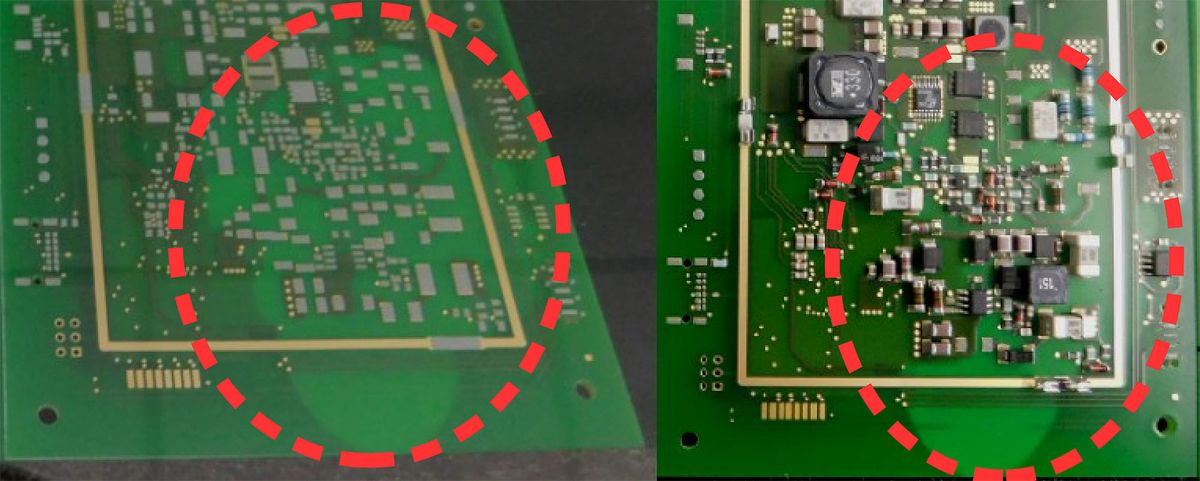
Printed Circuit Board (PCB) delamination is the physical separation of the layers of a PCB. It is typically observed in the laminate of the actual PCB during visual inspection but it can also occur in the internal layers. When delamination occurs in internal layers, it may cause malfunctions and the cause of this malfunction will be difficult to pinpoint without thorough examination of the PCB layers.
What is ESD?
Electrostatic Discharge (or ESD) is the flow of static electricity between two electrically-charged objects upon contact or close proximity with one another. It is caused by a build up of electrical charge between two surfaces.
ESD is often not harmful to humans but it is dangerous for electronic devices which are ESD-sensitive.For sensitive printed circuit board assemblies, ESO Electronic places a neon-yellow sticker on every box and every delivery note to indicate that the package contains ESD-sensitive devices and should be handled with care and precaution.
Why is ESD handling important?
ESD handling should be taken seriously because it can cause immediate damage to the assemblies and its electronic components if the discharge contains sufficient energy to damage the internal circuit. Nowadays, most electronic components are considered electrostatic-sensitive and some can be damaged with as little as 20 volts. To put this in perspective, the average person cannot feel ESD under 2,000 volts.
ESD damage will occur if a discharge manages to run through the sensitive circuits of an ESD-sensitive device. For example, if a person who is not wearing a properly grounded anti-static strap touches an ESD-sensitive device and generates enough discharge, then the component will be destroyed or no longer work as it should.
ESD Precautions
Here are a few precautions that can be followed for handling ESD-sensitive devices:
- Store assemblies that will not be used for an extended period in ESD bags or similar protective containers (such as ESD-safe boxes) to prevent accidental electrostatic discharge damage.
- Always use ESD bags for transporting assemblies to minimize the risk of ESD damage during transit.
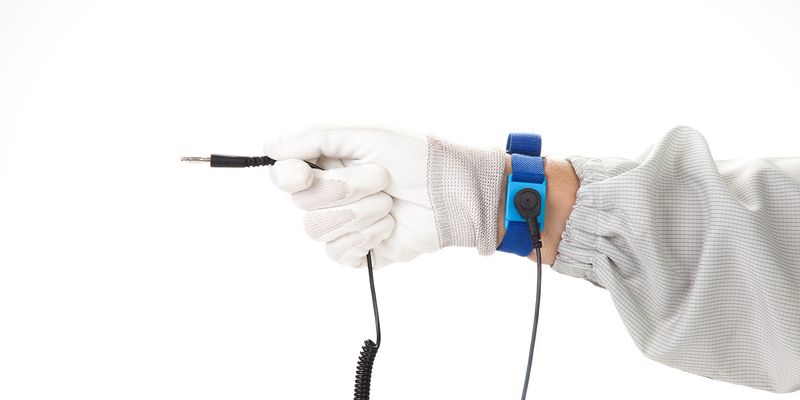
- Wear a properly grounded anti-static wrist strap when handling electronic assemblies to protect them from electrostatic discharge.
- Avoid touching electronic components with bare hands; use tweezers or wear finger cots to handle components whenever possible.
- Do not reuse disposable ESD protective packaging, as these materials are typically rated for single use only and may not provide adequate protection after their initial application.
Disclaimer
ESO Electronic reserves the right to refuse liability for any damages related to ESD after it has been released to the customer if ESD precautions were not followed.